Guide 06 · 5 min read
What Does an HOA Front Yard Rejection Cost in Scottsdale, AZ?
The letter lands a month after the yard is done. The front yard does not comply with the community plant list, and the work has to come out. The yard was paid for once, and now it gets paid for twice. This is the most expensive sentence in Scottsdale landscaping, and it is almost always avoidable, because the approval was supposed to come before the work, not after.
How it works
How the rejection happens
Most of the East Valley is governed, and in Scottsdale the front yard is the most governed part of the lot. The HOA documents carry a plant list, turf limits, and rules about walls and hardscape, and the board checks the yard against them. Scottsdale also runs the strictest design review in the Valley, so a front yard that would pass in another city can fail here on the details.
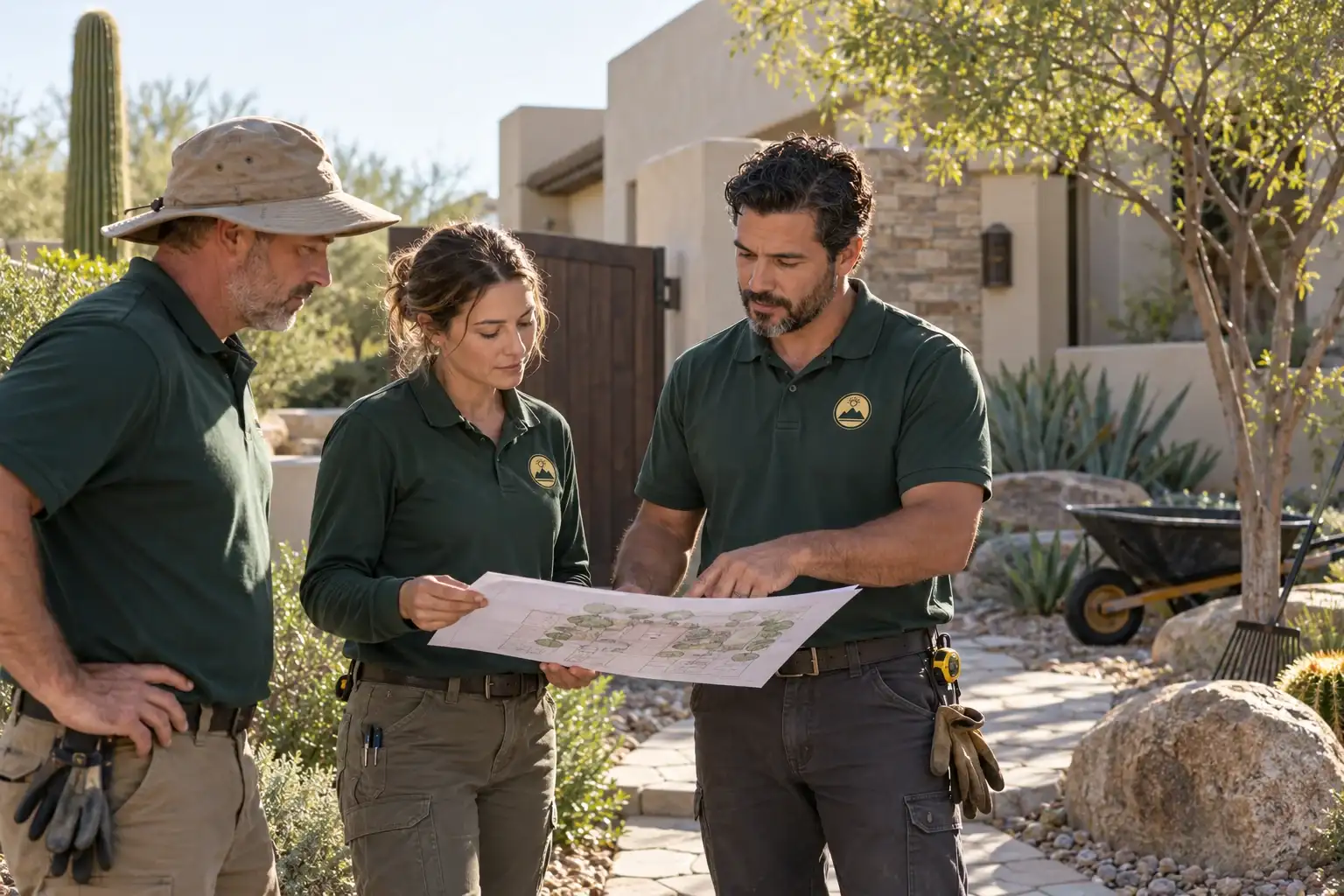
The sequence that causes the double bill is always the same. The work starts without a submission. The yard goes in fast, looks done, and gets noticed. The notice comes from the management company, the violation references the plant list, and the remedy is removal and redo. Approval comes before work, not after, and every dollar spent before the approval is at risk. The homeowner who built first often had good reasons: the crew was available, the weather was right, the neighbors were doing their yards too. None of those reasons move the board.
Good to know
The two bills, explained
The first bill is the yard as built: plants, rock, irrigation, labor. The second bill is the correction: pulling out what does not comply, hauling it, and reinstalling against the approved list. Sometimes it is a species swap. Sometimes the turf limit was exceeded and half the surface comes out. Sometimes the whole front yard gets reworked, and the second bill is larger than the first, because removal and disposal are not free.
Nobody refunds the first yard. The plants pulled out are not reusable in that form, and the labor is gone. The homeowner pays for the mistake once in materials and again in labor, and then pays a third time for the yard that finally passes. The exact number varies with the size of the yard and what has to come out, but the structure is always the same: pay for the work, then pay to undo the work, then pay to redo the work. And the meter does not stop there. Water for the new plants, delivery fees for the pulled ones, and weeks of a torn up front yard all land on the same side of the ledger.
Planting
The native plant part people forget
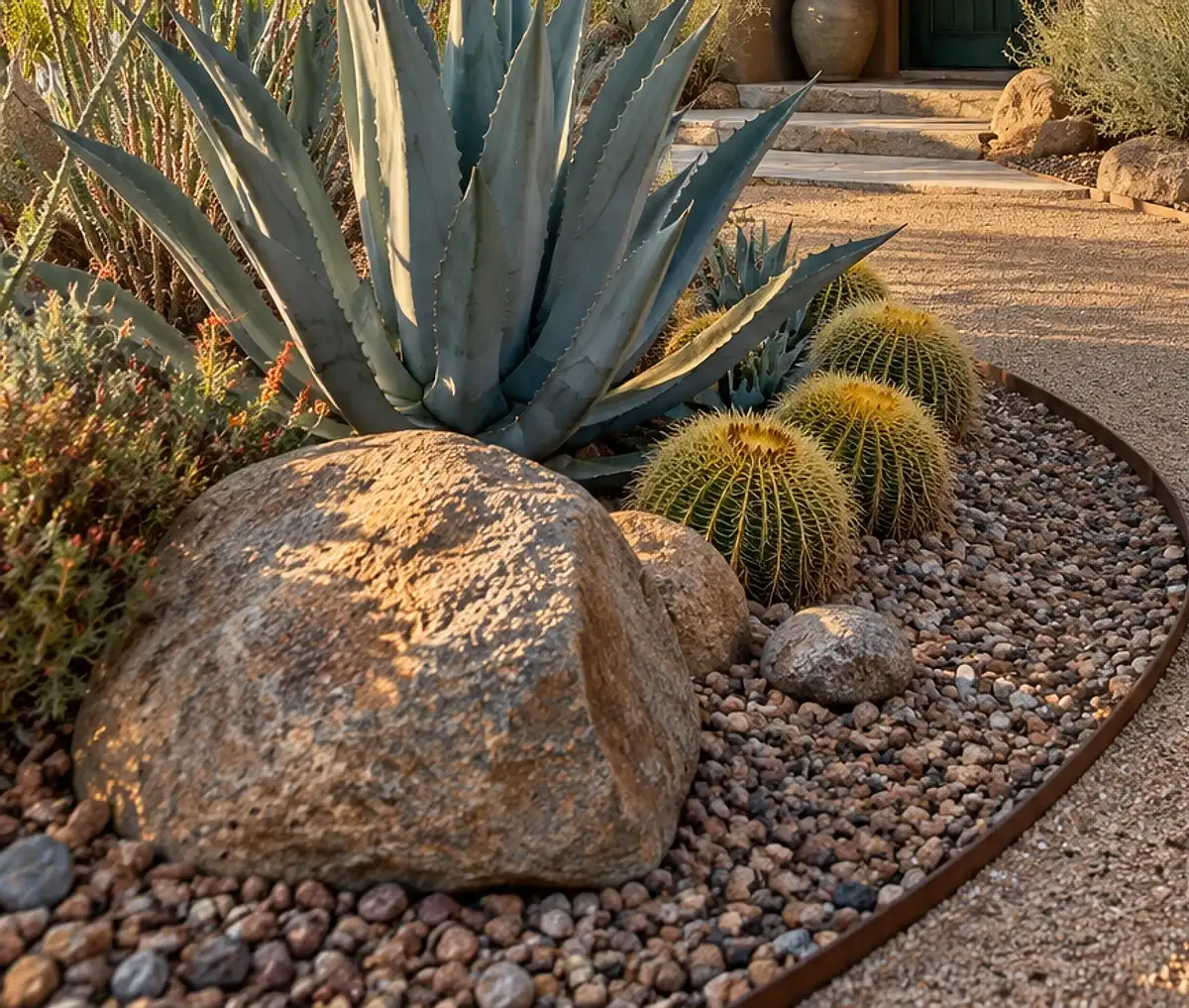
Scottsdale has native plant ordinances, and they sit on top of the HOA rules. Protected natives cannot be removed or relocated without approval, and a front yard redo that takes one out without the paperwork creates a separate problem with the city, on top of the HOA violation.
The ordinance is the reason the plant list matters before the dig, not after. A yard with a protected native in the planned footprint needs approval and a relocation plan, not a quick removal. The homeowner who skips the check can end up with an HOA violation and a city issue at the same time, on the same yard, for the same plant.
Planning
What to check before the work starts
Five things, in order.
- The plant list. Every species going in has to be on it, and the substitution rules matter, because a nice plant that is not on the list is a violation waiting for the next inspection.
- The turf limit. Most governed yards cap grass as a share of the lot or of the front yard, and exceeding it is one of the most common rejection reasons there is.
- Wall and hardscape rules. Heights, materials, and colors are often specified, and a wall that looked fine on the sample board can fail on the governing documents.
- The approval itself, in writing. A verbal nod from a neighbor on the board is not approval. The written sign-off is the only thing that protects the spend.
- The city layer. Design review and the native plant ordinances apply to the front yard in Scottsdale, so the submission has to clear the HOA and the city.
The landscape installation order of work puts the paperwork first for exactly this reason. If the front yard plan is still forming, the xeriscape vs gravel page walks through what a compliant low water yard looks like here.

Planning
When the rejection has already landed
If the letter has arrived, stop adding work. Get the violation in writing, ask what specifically fails the plant list or the limits, and get the correction deadline in writing. Do not start the removal until the replacement plan is approved in writing, or the second yard can get rejected the same way the first one did.
Then price the correction as its own job, not as a favor from whoever did the first one. The removal, the hauling, the disposal, and the reinstall are separate line items, and a clean scope is what stops the second bill from becoming a third. A correction scoped by the board's letter, priced against a real yard plan, and approved before the shovel moves is the only way the yard gets paid for twice instead of three times. The landscaping cost page shows what a front yard rework normally runs, so the correction quote can be read against something real.
Good to know
What a yard that passes looks like
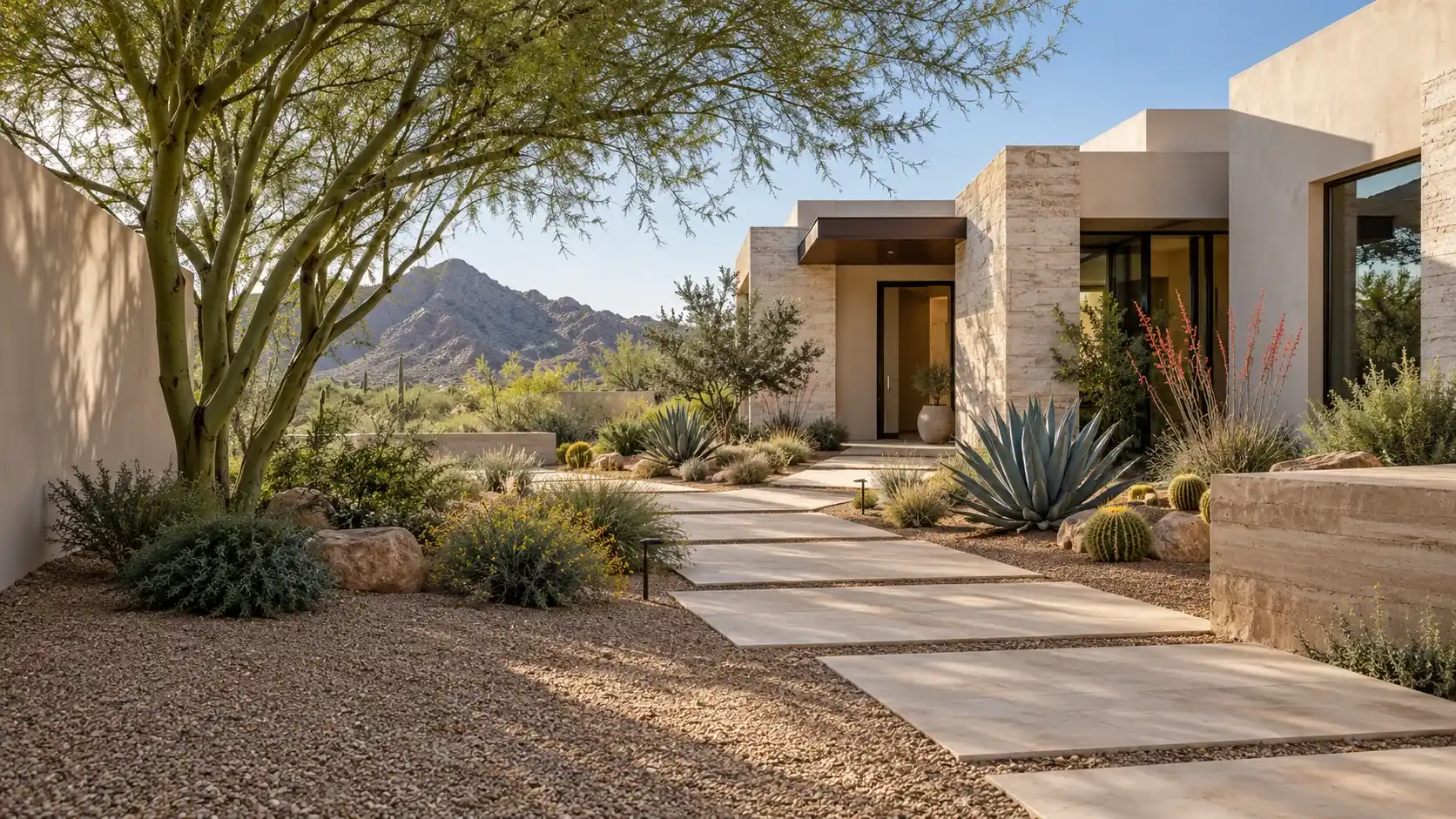
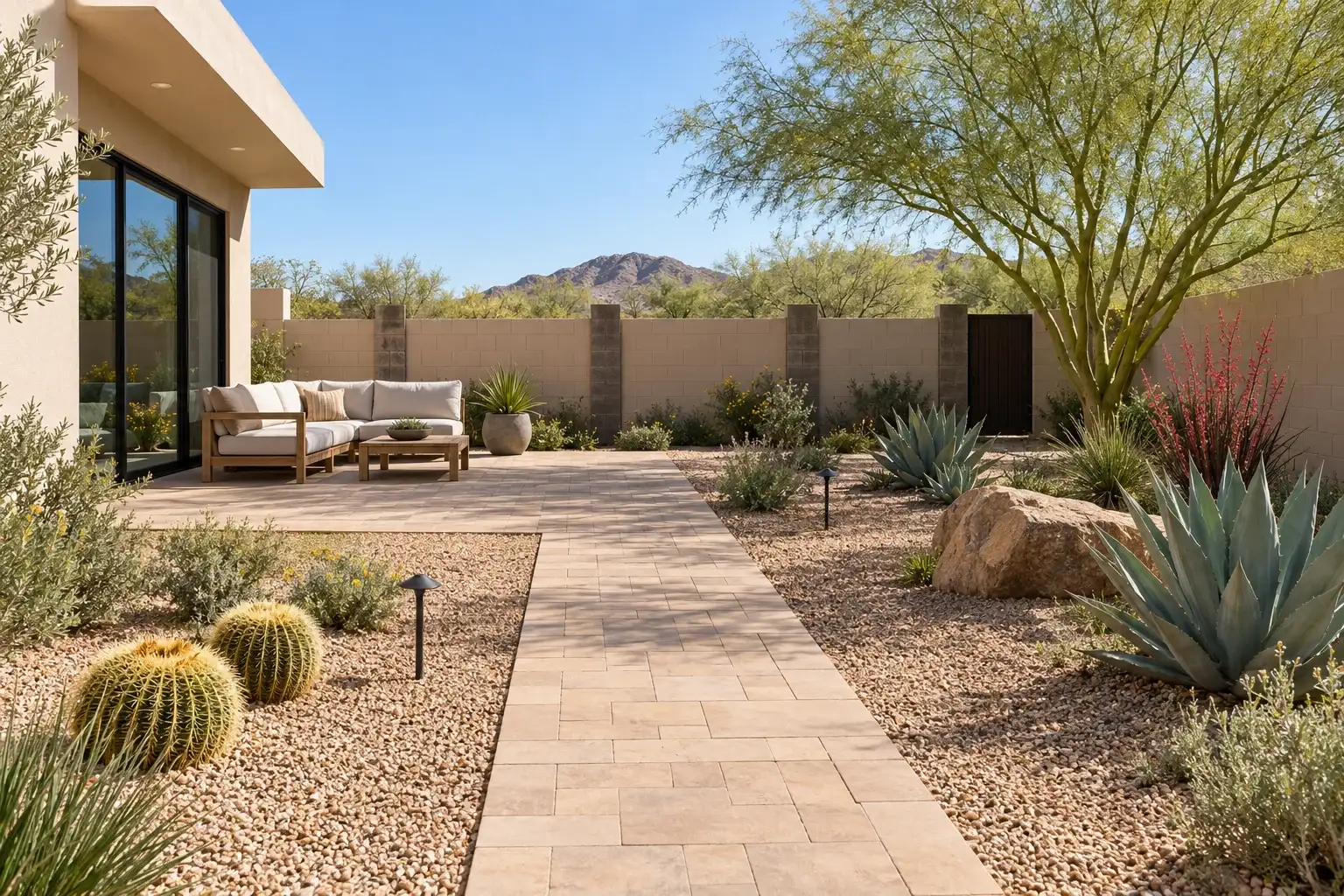
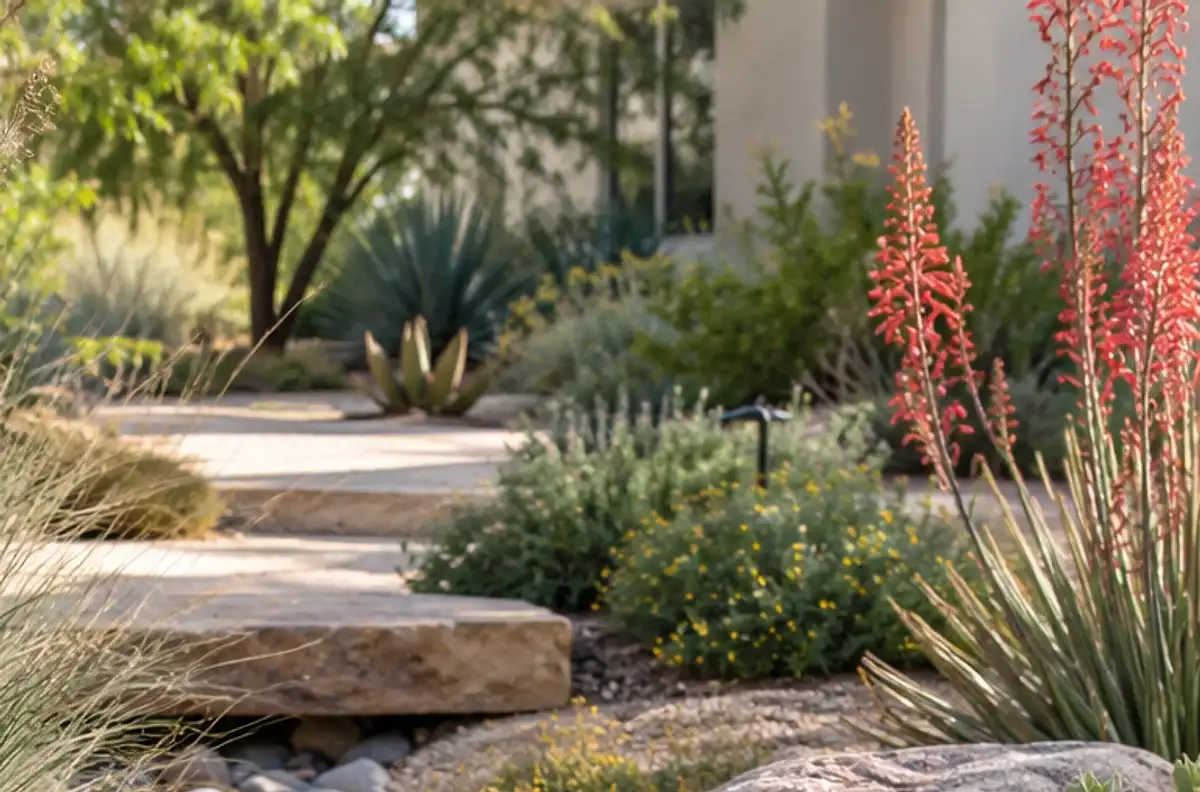
A compliant Scottsdale front yard is not a mystery. It is plants from the drought-tolerant lists, turf inside the limit, hardscape that matches the governing documents, and an approval on file before anything is purchased. The city expects xeriscape, the HOA expects the plant list, and a yard that serves both clears on the first submission.
The yards that get rejected are almost never ugly. They are off list, over limit, or unapproved, and the difference between the one that passes and the one that pays twice is a piece of paper filed before the first shovel. The full services page covers what gets checked on a front yard here, and the home page has the starting point for the whole question.

6 questions
What Does an HOA Front Yard Rejection Cost: your questions
Still have a question? Call (747) 243-2089 and describe the yard.
Can the HOA make me remove my front yard?
Yes. The governing documents give the HOA the authority to require correction, and a yard that fails the plant list or the turf limit gets a violation notice with a deadline. The work usually has to come out.
How much does a front yard rejection cost?
It varies with the size of the yard and what has to be removed, but the structure is always the same: the original yard, the removal, and the redo. The second and third lines are what make the mistake expensive.
What is a turf limit?
A cap on how much of the lot can be grass, written into the HOA documents. Exceeding it is one of the most common front yard rejection reasons in Scottsdale.
Do I need HOA approval before landscaping?
Yes. Approval comes before work, not after. A verbal nod is not approval, and the written sign-off is the only thing that protects what gets spent.
What happens if a protected native plant is removed?
Scottsdale's native plant ordinances require approval before protected natives are removed or relocated. Doing it without the paperwork creates a city issue on top of any HOA violation.
Can the second yard get rejected too?
It can, if the correction is built without an approved plan. The replacement has to be submitted and signed off in writing before anything is purchased or planted.