Guide 08 · 5 min read
Xeriscape vs Gravel in Scottsdale, AZ
Xeriscape is a system for a low water yard, and gravel is one material that sometimes goes in one. Confusing the two is how Scottsdale yards end up as bare rock with dead plants, which is exactly what xeriscape was supposed to prevent.
Good to know
The short answer
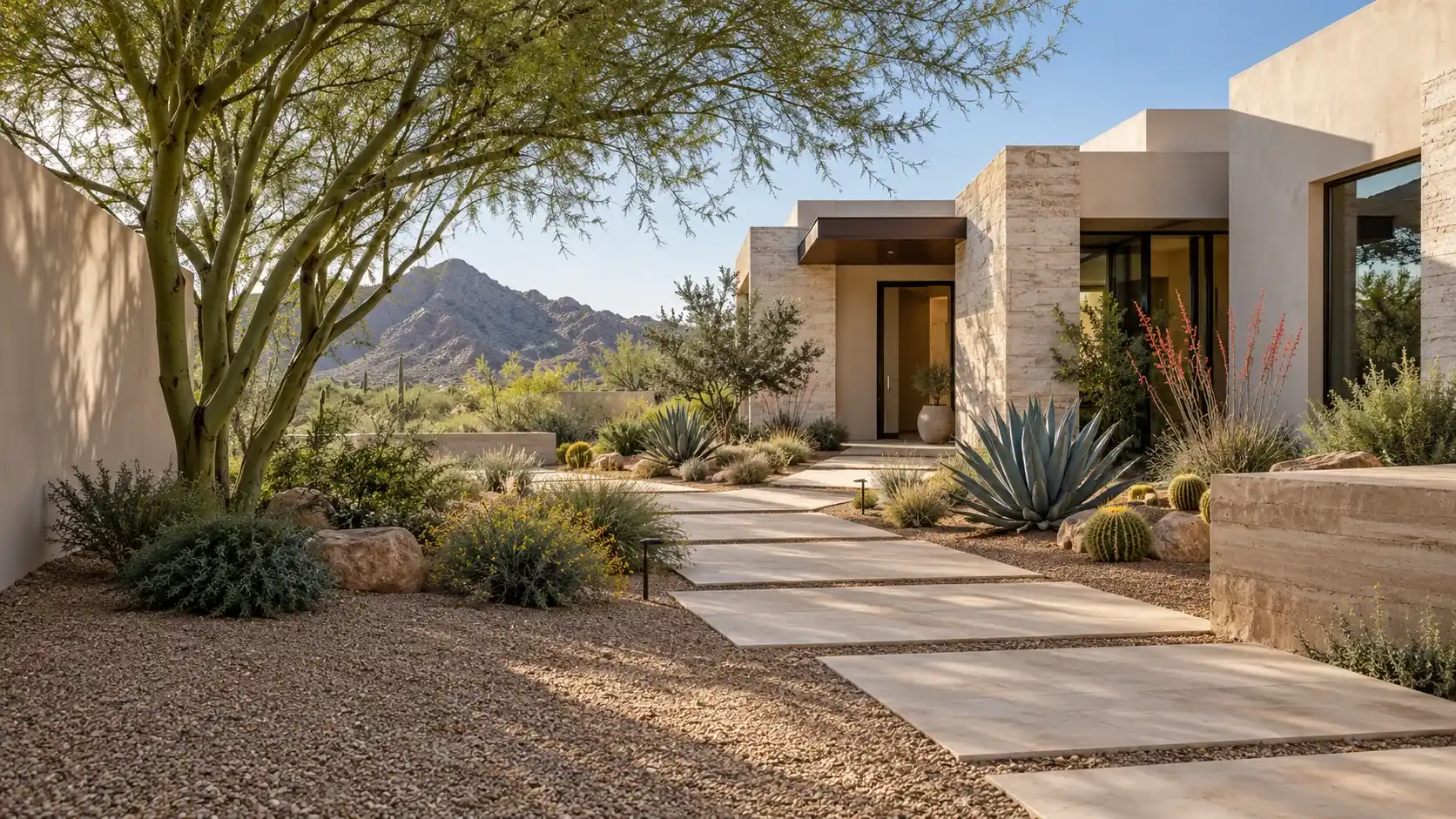
A xeriscape yard uses gravel where it belongs and plants, drip irrigation, and shade where they belong. Gravel alone is a surface, not a design, and on its own it bakes a yard instead of saving it. The right choice depends on the soil, the walls, and what the plant list and the HOA will approve.
Planting
Xeriscape: what it actually is
Xeriscape is a design method built around low water plants, drip irrigation, efficient watering zones, and ground cover that shades and cools. It is not a look. It is a set of choices, and the plant list is the point. Scottsdale runs on drought-tolerant plant lists and native plant ordinances precisely because a xeriscape is supposed to hold a yard together without the water bill.
The reason it matters that xeriscape is a system: the pieces only work together. A drip line without a plant list waters nothing. Native plants without drip get lawn water and drown on one side. Gravel without plants is just a hot surface with a nicer name. Watering zones are part of the system too: plants that want water get grouped together, plants that want none get left to the drip, and the gravel goes where the sun is already winning.
Good to know
Gravel: what it actually is
Gravel is crushed or decomposed rock spread as ground cover. It never breaks down, never needs water, and never feeds or shades anything. It is a finish surface, and on its own it does one thing reliably: absorb the day's sun and re-radiate it. A yard that is all gravel is a surface, not a landscape.
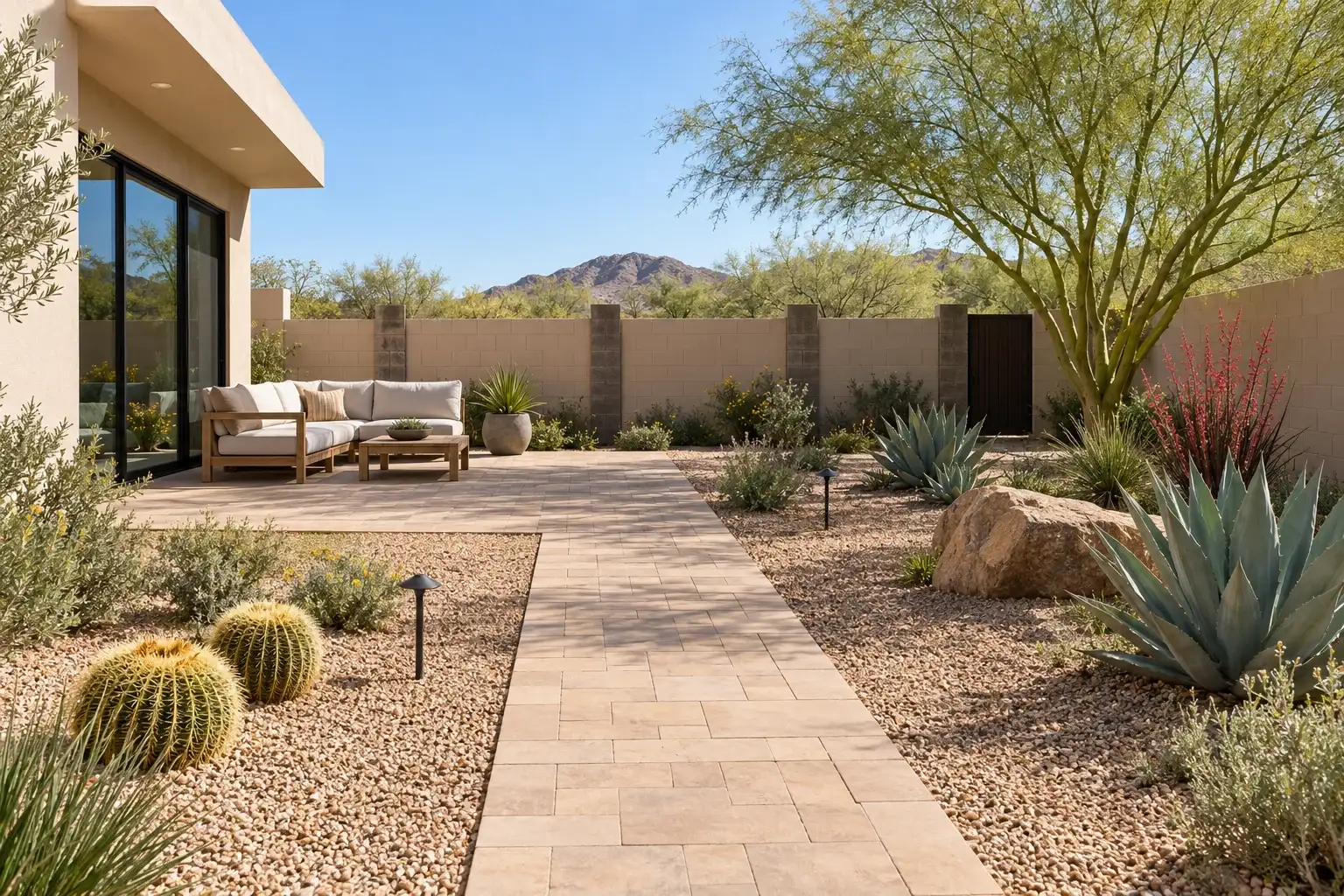
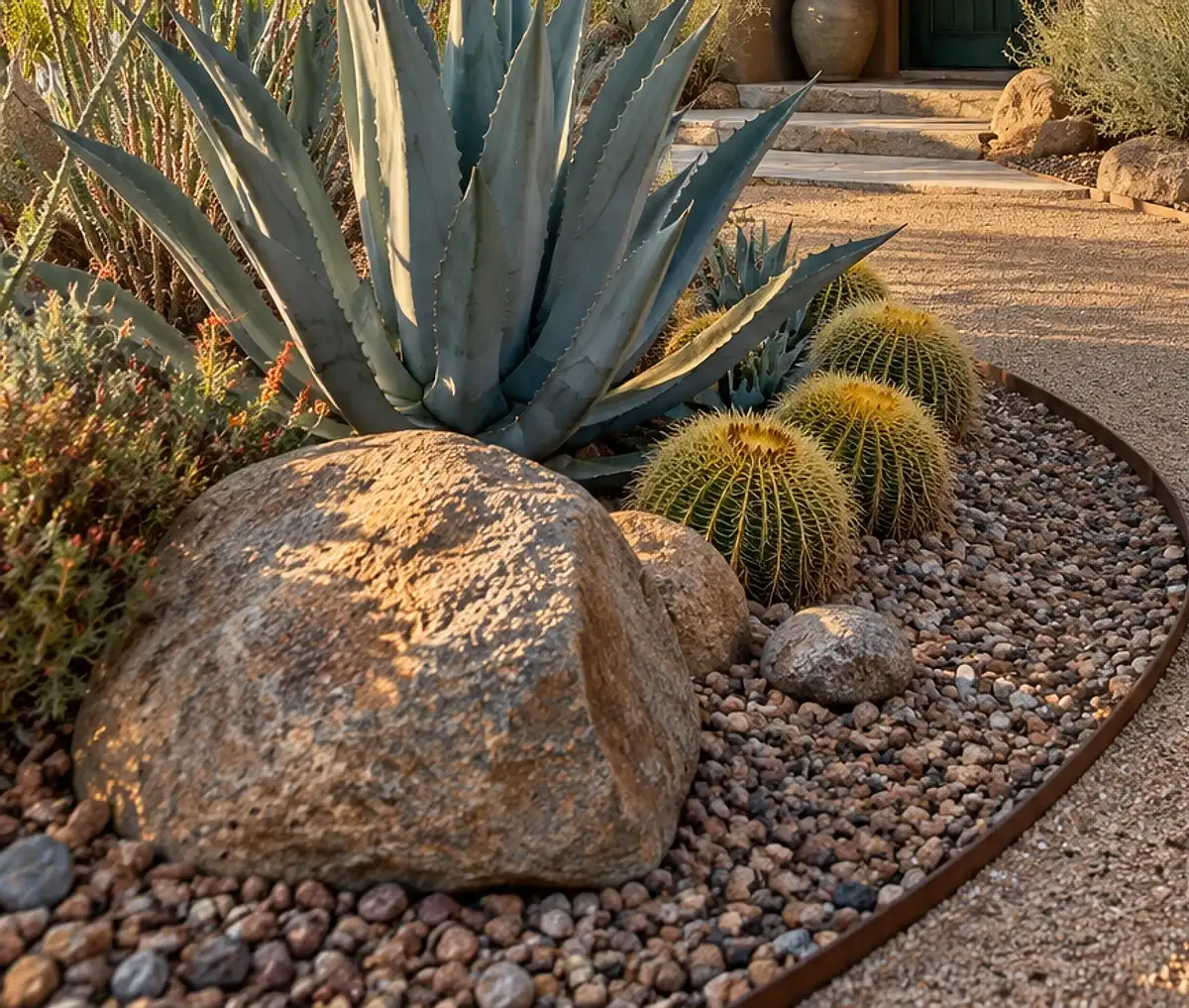
Gravel has real jobs in a xeriscape. It works around plants that want dry feet, it works under canopies, and it works as a clean surface against walls. The mistake is treating the material as the design.
Planting
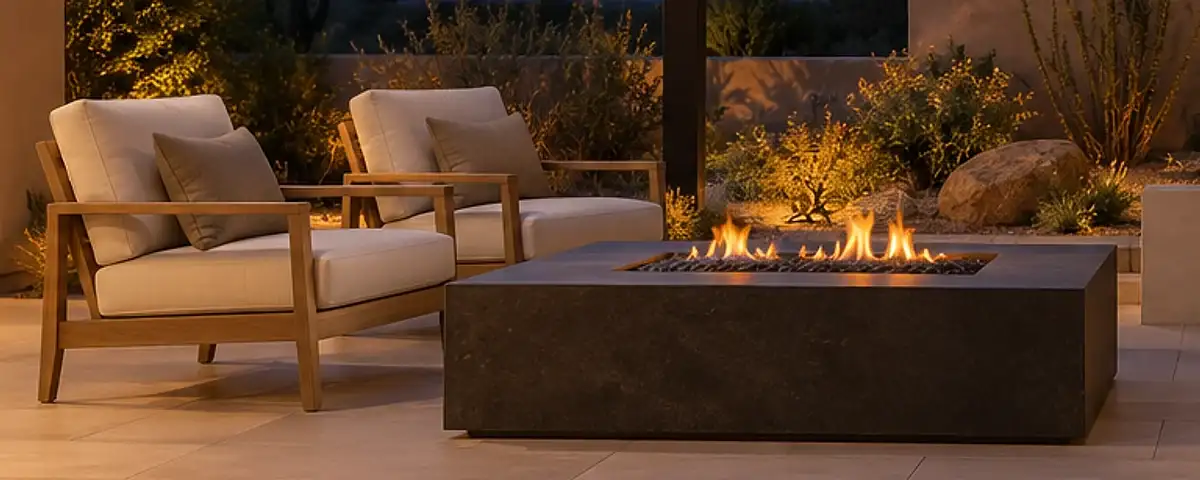
Where xeriscape fails here
Xeriscape fails when it is done as zero plants. Scottsdale's design review is the strictest in the Valley, and the city's drought-tolerant lists and native plant ordinances exist because the expectation is a planted yard, not an empty one. A front yard cleared to bare rock with a lonely cactus reads as neglect, and it gets flagged, because the ordinance expects plants that belong here, not the absence of plants. The irony is that the empty yard still costs money: the rock, the hauling, the labor, all spent to build the one look the city is most likely to flag.
Water is the second failure, and it is ironic. A xeriscape conversion that leaves lawn sprinklers in place drowns the new natives on one side and starves them on the other, because the heads are still sized for turf. The irrigation has to be reworked at the same time as the planting, or the water savings never show up and the plants pay for it. The conversion is one job, not two, and doing the planting first and the irrigation later is how the plants pay for the sequencing mistake.
Caliche is the third. The cemented layer under much of the East Valley stops water infiltration, so a planting hole that does not get dug through it traps water around the roots of a plant that wants dry feet. The plant sits in a bowl, and the bowl is the caliche. The usual fix is to dig the hole wider and deeper than the root ball, break through the layer, and let the water move, which is more labor and the reason planting in caliche costs what it does.
Mistakes
Where gravel fails here
Heat. Full gravel coverage absorbs and re-radiates heat, and a yard surrounded by block walls turns into an oven. Plants adapted to zone 9b heat are not adapted to a root zone that never cools, and the classic Scottsdale result is a fresh gravel yard that dies in its second summer.
Migration. Without edging and compaction, decomposed granite walks into the pool, the driveway, and the neighbor's yard one monsoon at a time. Monsoon water arrives faster than desert soil can absorb and runs across the surface, and loose granite rides it.
Weeds. Gravel does not stop weeds; it gives them a cleaner place to come up. Seeds blow in after every storm, and the spaces between the stone hold just enough moisture for them. Fabric underneath slows the ones coming from below and does nothing about the ones landing on top. Every monsoon deposits a fresh load of seed, and by August the gravel is growing a green fur between the stones that no fabric underneath can touch.
Costs
What it costs and what drives the number
Gravel runs low per square foot compared to a planted xeriscape, which is why it wins the first invoice, and it costs nothing to water. A real xeriscape carries the plants, the drip conversion, and the labor of planting, which is where the money goes. Over time the two cross, because gravel holds the sun and kills what is planted in it, and replacing cooked plants is the expensive line on either side of the comparison.
The full landscaping cost breakdown shows where a Scottsdale yard project actually spends money, and most of it goes to plants, drainage, and irrigation, not to the cover. So the cheap option can become the expensive one in a single summer, which is why the cover is the last decision in a xeriscape, not the first.
Good to know
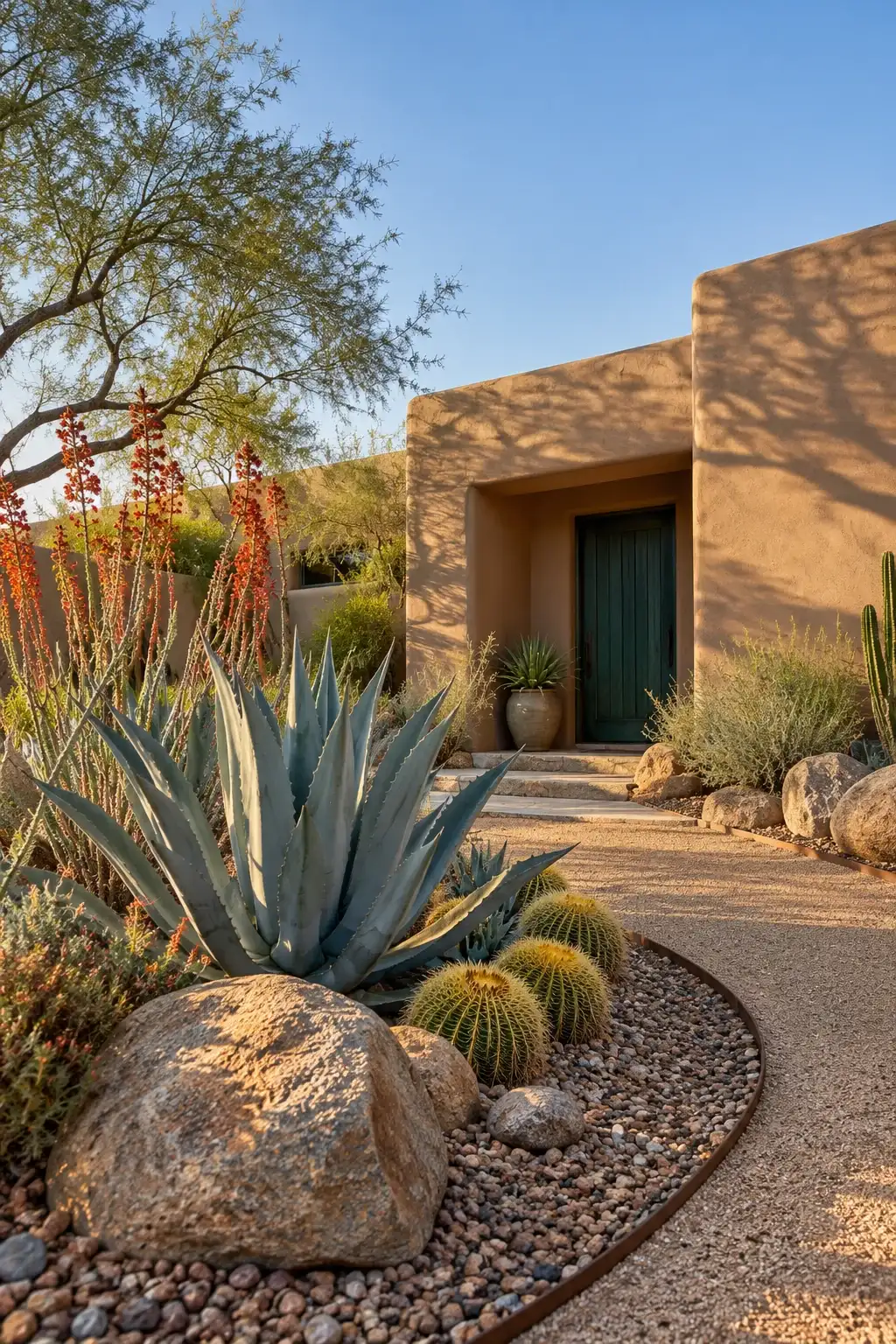
What good work looks like in Scottsdale
- The plant list is chosen first, from the drought-tolerant lists, and the cover is chosen to serve it.
- The irrigation gets reworked with the conversion, so nothing is left watering natives like a lawn. The drip vs sprinklers page covers that decision.
- Edging and compaction are specified for every gravel area, so the rock stays put through monsoon.
- The yard is planned as one system, with drainage, shade, and watering zones that agree with each other.
6 questions
Xeriscape vs Gravel: your questions
Still have a question? Call (747) 243-2089 and describe the yard.
Is gravel the same as xeriscape?
No. Gravel is a material, xeriscape is a system. A xeriscape may include gravel, but gravel alone is just a rock surface, and it bakes the yard instead of saving it.
What plants are allowed in Scottsdale?
Scottsdale works from drought-tolerant plant lists and native plant ordinances. The safe path is to choose from the lists, because a yard with the wrong species gets flagged at design review.
Will a gravel yard pass design review?
It can, if it is a real xeriscape: plants first, gravel as cover, drip in place. Gravel as a total replacement for the yard is the version that gets flagged.
Does gravel need edging?
Yes. Without edging and compaction, decomposed granite migrates into the pool, the driveway, and the neighbor's yard one monsoon at a time.
Can I just remove the lawn and spread gravel?
You can, and it will look finished for one summer. The planted things then die in the second summer, and the yard reads as neglected. The conversion needs a plant list and a drip plan first. See rock vs mulch for the plant side of it.
Do I still need irrigation with xeriscape?
Yes, but less, and it should be drip. Established natives need water through the establishment window, and a drip system puts it at the roots instead of throwing it in the air to evaporate.