Service area · Tempe, AZ
Landscaping in Tempe, AZ
Tempe is 39.9 square miles and home to ASU, and many single family yards sit on a tight grid instead of a wide lot.
Service area
What do Tempe yards look like?
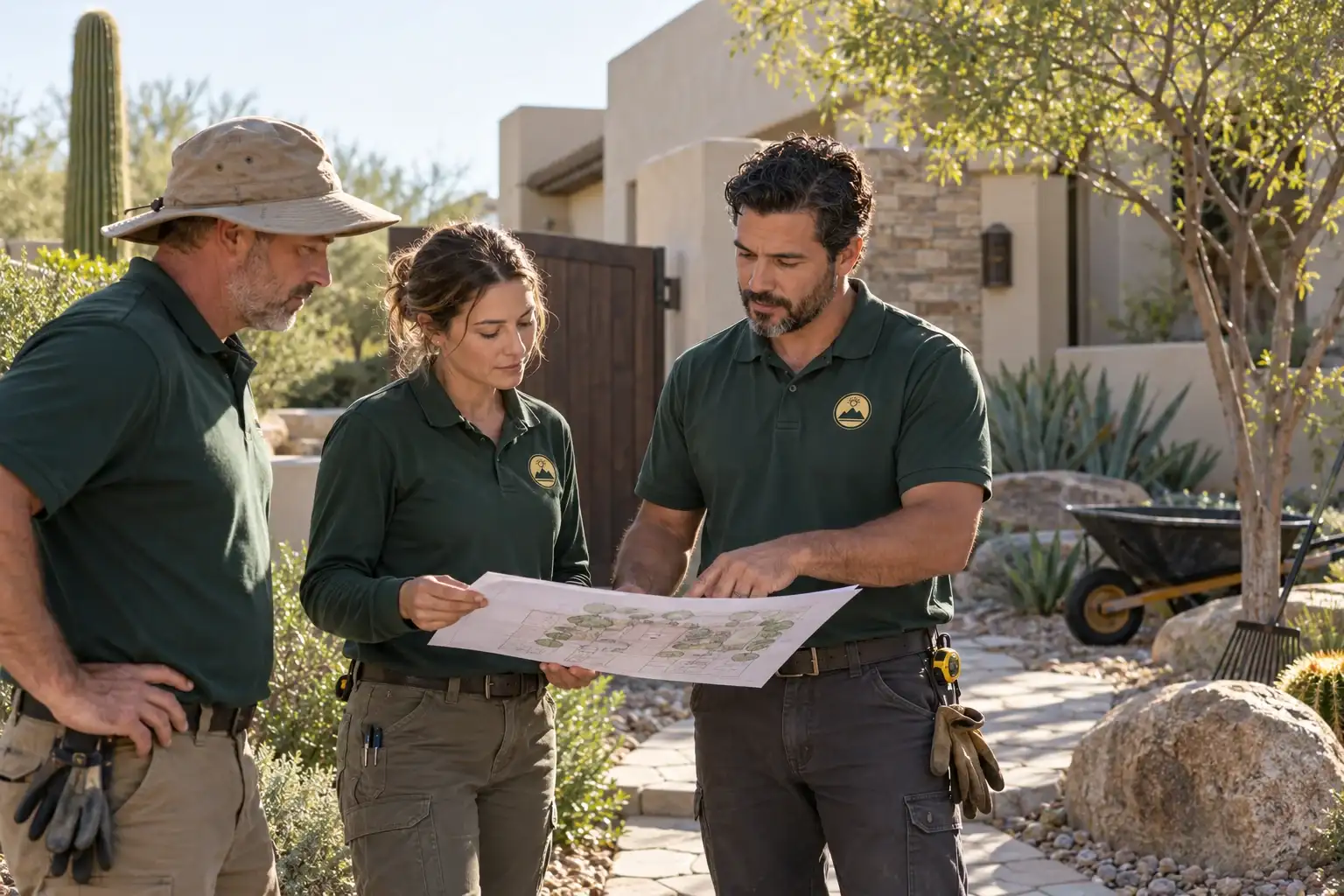
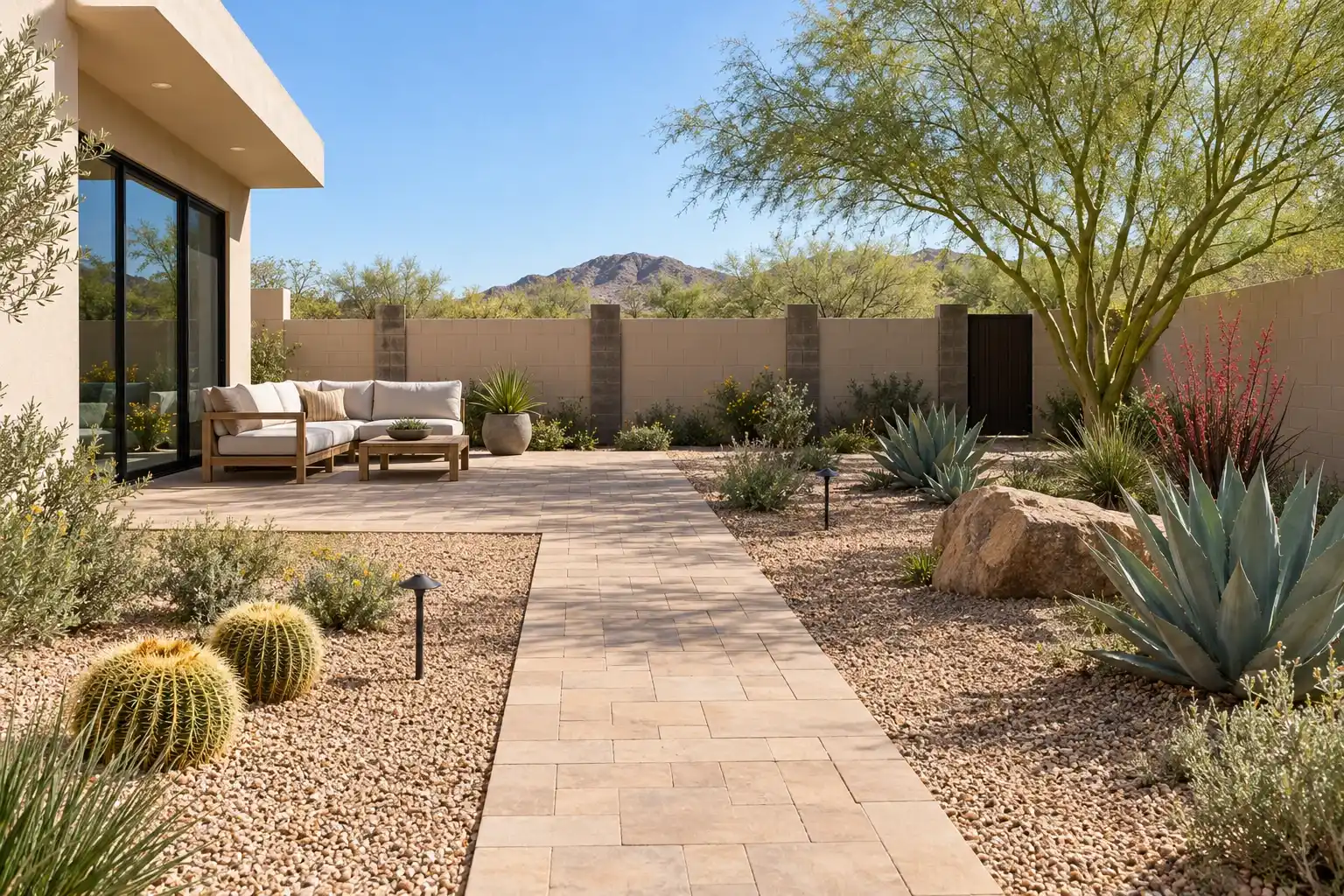
Small, close together, and shaded by trees planted when the block was new. The city covers 39.9 square miles and is home to the university, and many single family streets form a tight grid with narrow side yards. ZIP codes 85281 to 85284 all serve Tempe addresses. Many neighborhoods date to the decades after World War II, when Tempe grew at a rapid rate. Many homes have a carport or a 2 car garage, a block wall on the property line and a back yard smaller than the front. Access is a constraint that can shape a bid. A gate 3 ft wide will not pass a skid steer, and a dumpster needs somewhere legal to sit. Measure the gate and the alley turn before choosing a paver.
Water
Who waters Tempe, and does flood irrigation still run?
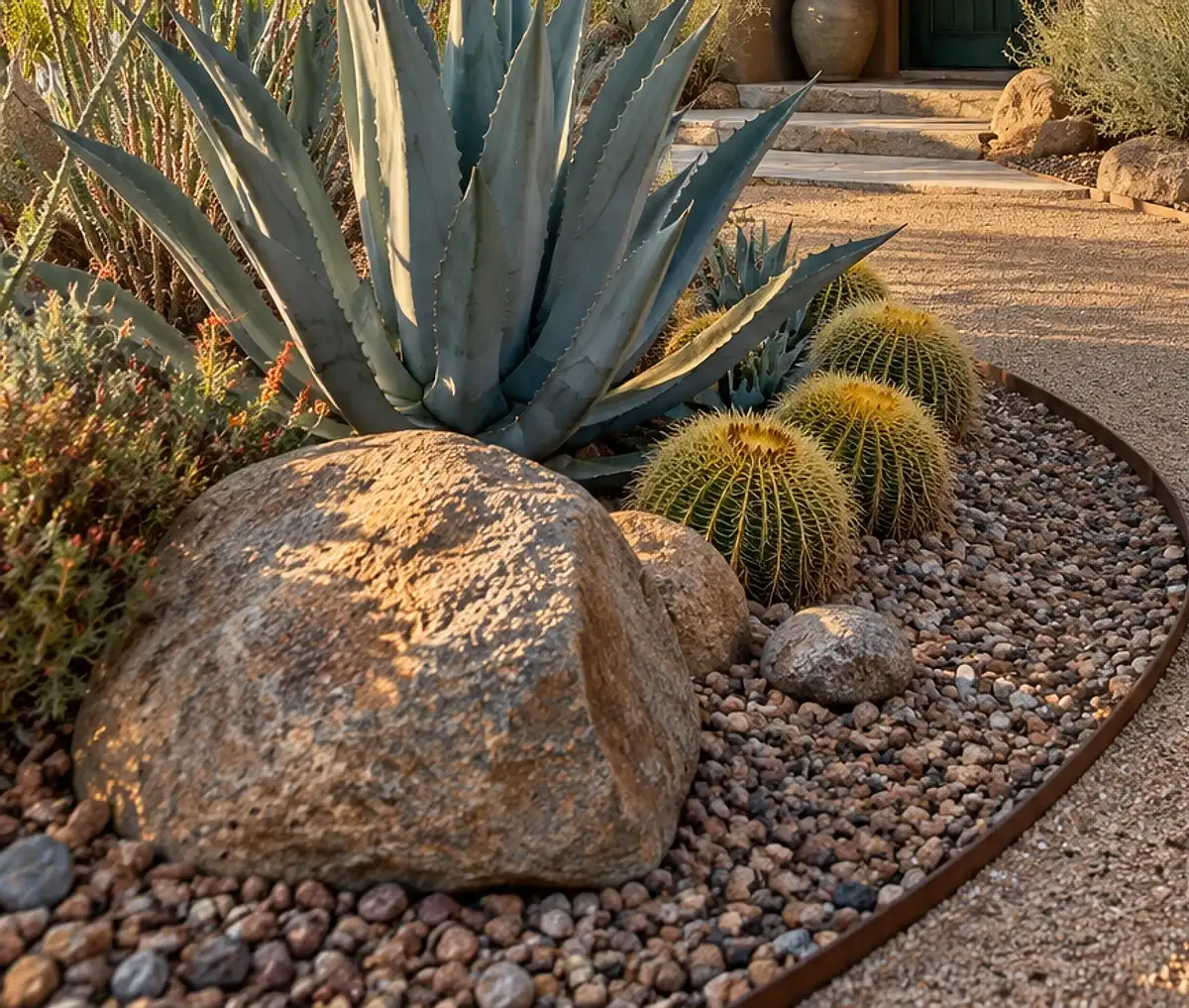
SRP delivers about 90 percent of the city supply in a typical year, and a small share of it still arrives by ditch (City of Tempe, water resources (opens in a new tab)). Flood irrigation reaches 17 parks and about 850 homes through 37 miles of mains and more than 1,000 valves, roughly 14,500 deliveries a year, with water starting at 10pm on Sunday (City of Tempe, flood irrigation (opens in a new tab)). Tempe staff operate the valves, and the city asks for clear access to the valve. If the house is on the system, the controller is only part of the watering story.
Timeline
What happens to a Tempe yard in November?
It goes dry. The city shuts flood irrigation off in November and December for the SRP dry up, so a winter lawn depends on sprinklers for 2 months (City of Tempe, flood irrigation (opens in a new tab)). That gap is where winter damage shows: a controller still set to a summer schedule, a valve that has not run since October, a head buried under fall growth. Bermuda with a winter overseed takes more than 55 inches of irrigation a year, while an average xeriscape stays under 18 inches (University of Arizona, turf and xeriscape water use (opens in a new tab)). Converting lawn can cut outdoor use by half. Keep grass and you water it through the dry up.
Turf
What is under a Tempe lawn?
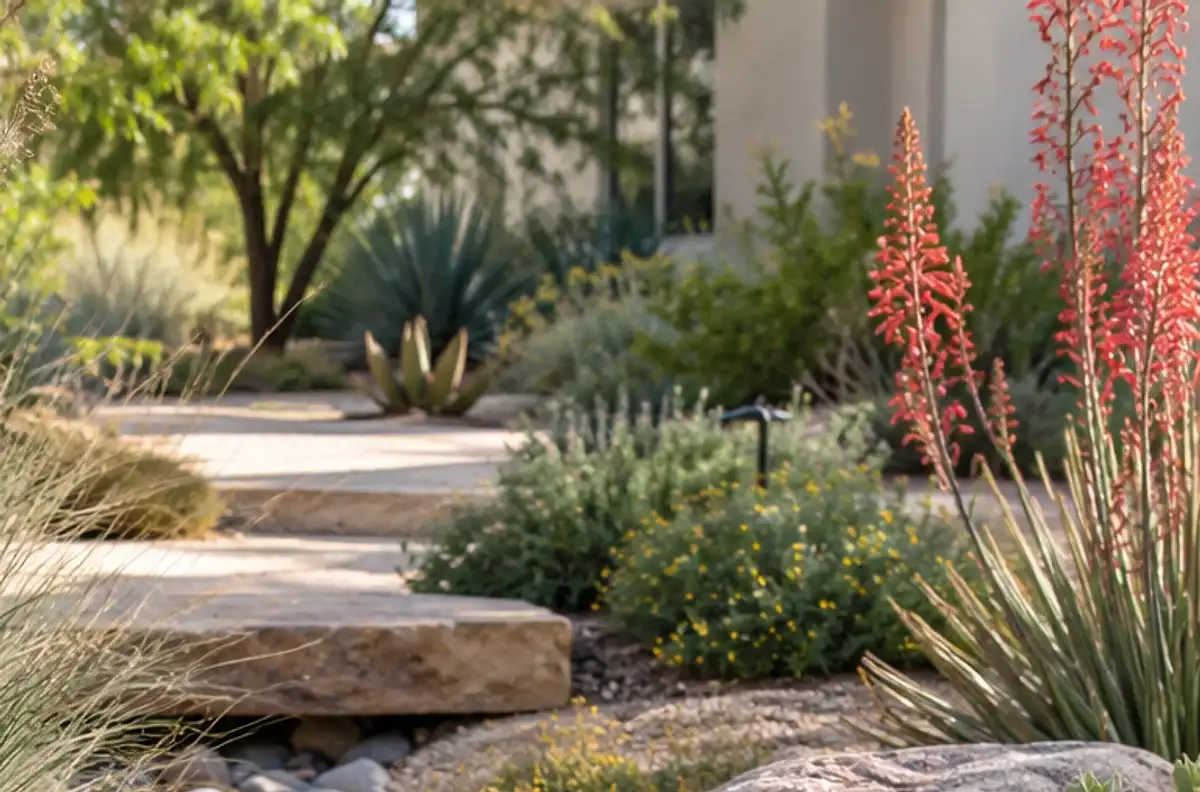
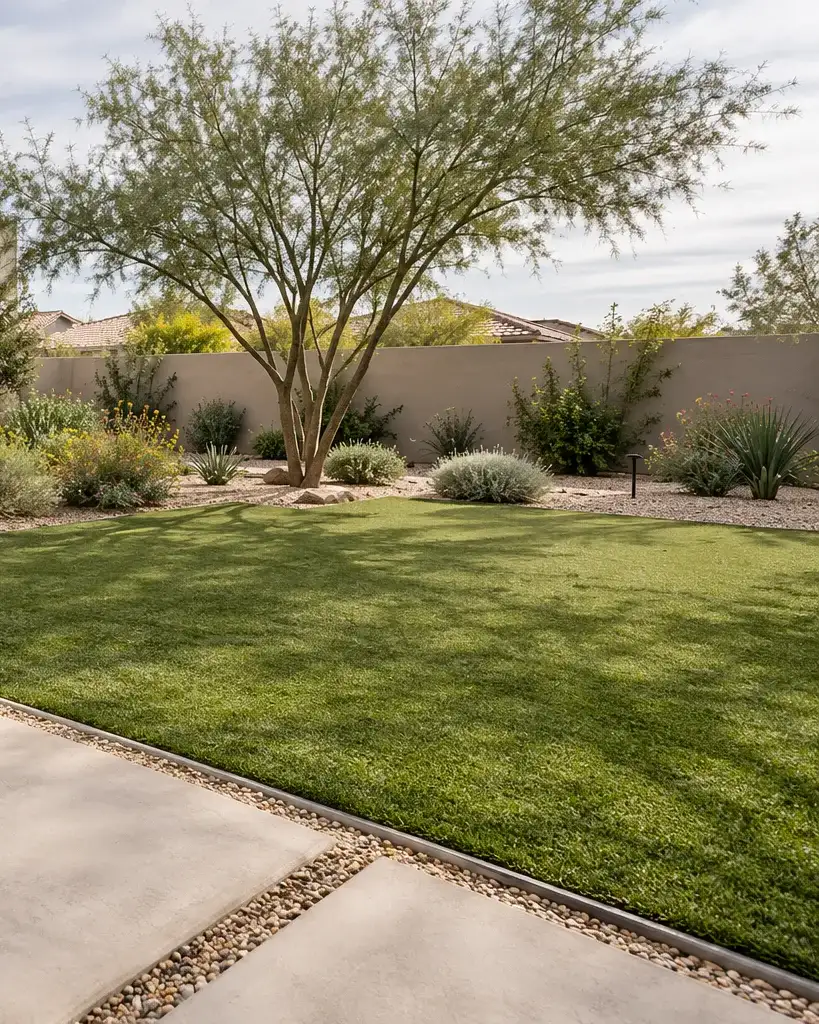
Caliche turns up on plenty of Tempe lots, and it decides how deep a hole can go. The layer is calcium carbonate cemented into something nearer rock than soil, and it can restrict roots and drainage (University of Arizona, managing caliche (opens in a new tab)). Before planting, pour a bucket into a post hole and check it 4 hours later. A 4 inch drop means the ground drains. A hole still full means a raised bed or a shorter plant list. A digging bar tells you which before you order plants. Where lawn goes back in over caliche, 8 inches of topsoil goes on first. The strip between the wall and the alley can be the worst ground on the lot.
Rules
How does the water waste ordinance affect a rebuild?
It targets two things: runoff that leaves the property and faults nobody repairs. Tempe Water Waste Ordinance No. 91.46 covers water running off a yard into the street and irrigation systems that leak or spray where they should not (City of Tempe, water waste ordinance (opens in a new tab)). In practice a rebuild should match emission to plant spacing, and a slope can need its own zone or it will shed water into the alley. Converting a sprinkler zone to drip solves both problems and keeps the plants that are already established. Do that work before the new gravel goes down. A rain sensor and a monthly schedule change cover the rest, and afterward a repair means digging through finished surface.
Costs
What does a Tempe project cost?
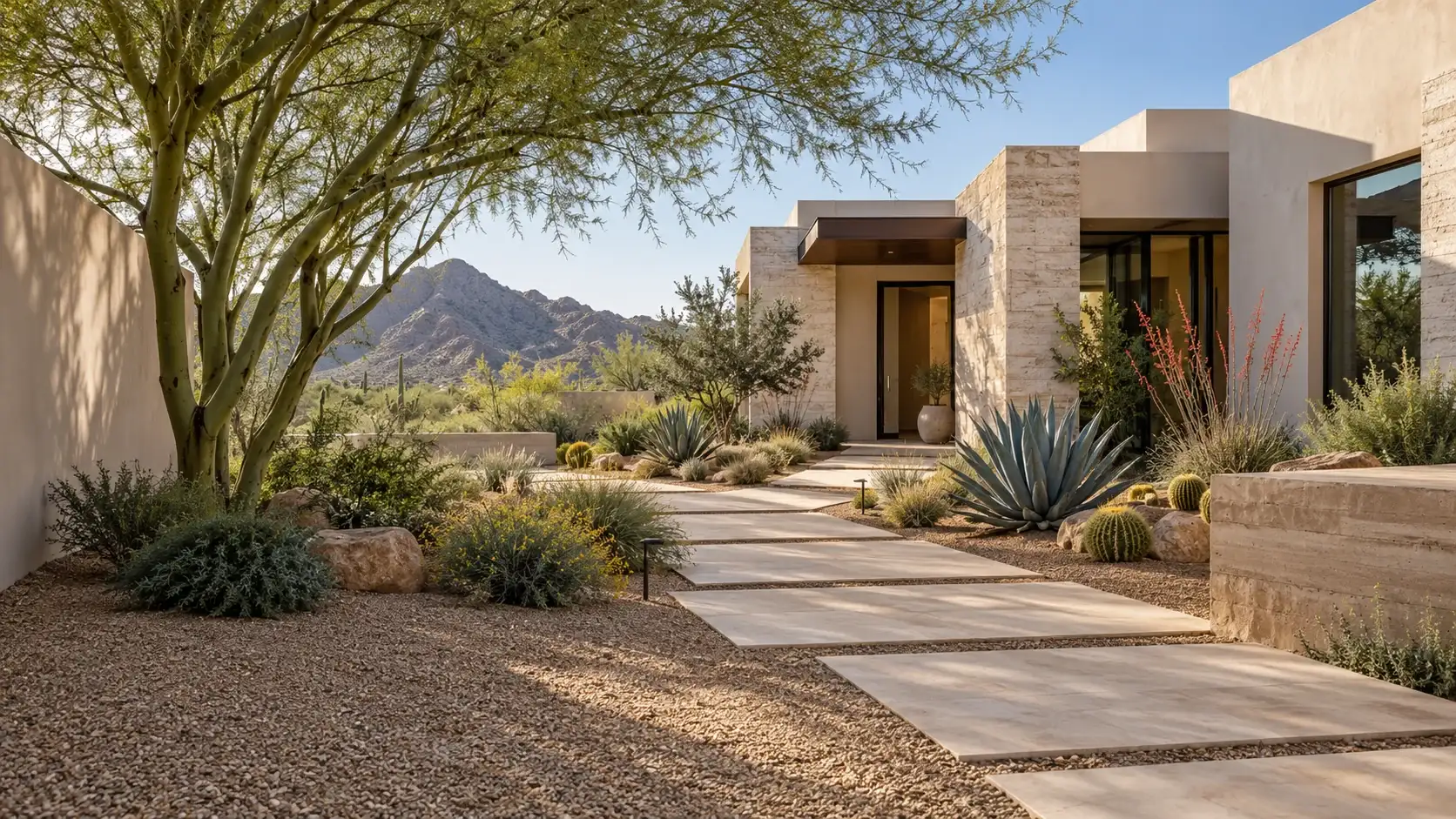
Less than a wide lot in the north valley, because the square footage is smaller. A national cost guide puts a drip system at $200 to $850, about $350 on average, or $0.50 to $5 per square foot. The same guide puts sprinkler repair at $137 to $422 with an average near $278, and a full replacement at $1,500 to $4,000. It publishes pavers at $8 to $25 per square foot, a typical patio job between $2,400 and $7,000, and 280 square feet at about $3,800. Published market ranges, not a quote: the final price is set after an on-site assessment. Narrow side yard access is a line item that can surprise people.
Planning
What should I plan before work starts?
4 things, and the first is the gate. Measure the opening, the alley turn and the overhead lines, because a truck that cannot reach the back yard changes the labor on every load. Second, pick a spot for a dumpster that blocks neither a neighbor nor a lane, and ask whether a right of way permit is needed for it. Third, protect the trees you are keeping. Grading over the roots of a mature shade tree can kill it within a few years. Fourth, write the schedule down: a small lot still needs the street clear by 4 and the gate locked at night.
3 questions
Questions people ask
Still have a question? Call (747) 243-2089 and describe the yard.
Do I still get flood irrigation in Tempe?
Only if the house is on the system, which serves about 850 homes plus 17 parks. Ask the city before counting on it. If a delivery reaches your yard, water starts at 10pm on Sunday and stops in November and December, so sprinklers cover the gap. Leave the valve reachable.
How much water does a Tempe lawn use?
More than the desert plants that could replace it. Bermuda with a winter overseed takes over 55 inches of irrigation a year, while an average xeriscape stays under 18 inches. That gap is why a conversion can cut outdoor use by half. A drip zone planted at the same density can land near the low number.
Can I keep my trees and still lose the lawn?
Yes, and you should. Mature shade is what keeps those blocks usable in June. Keep the irrigation that feeds the trees, convert the rest to drip, and do not raise the grade inside the drip line. A tree that loses its water in a hot month shows the damage the next spring, not that week.
Keep reading